Artwork spanning decades finds a unique stage through https://luckycaponeaustralia.com showcasing iconic designs
The vibrant world of art often seeks new avenues for expression and appreciation, moving beyond traditional galleries and museums. https://luckycaponeaustralia.com represents a fascinating intersection of iconic designs and a unique platform, offering a fresh perspective on how artwork spanning decades can be showcased and experienced. This online space isn’t merely a digital gallery; it’s a curated collection that breathes new life into established aesthetics, making them accessible to a wider audience and fostering a renewed appreciation for creativity. The site provides a distinctive stage for artwork that resonates with a sense of nostalgia and timeless appeal.
The platform’s significance lies in its ability to connect art enthusiasts with pieces that have shaped cultural landscapes. It’s a testament to the enduring power of design and the importance of preserving artistic heritage. By presenting these works in a dynamic and engaging online format, https://luckycaponeaustralia.com transcends geographical limitations and invites viewers to explore a world of visual storytelling. The focus is on delivering a high-quality, immersive experience, ensuring that each piece receives the attention it deserves and that the artist's vision is faithfully conveyed.
The Evolution of Aesthetic Preferences and Design
Throughout history, aesthetic preferences have been in constant flux, reflecting societal values, technological advancements, and cultural influences. What was once considered avant-garde can become classic, and what was once dismissed as unconventional can be celebrated as groundbreaking. This ever-shifting landscape demonstrates the subjective nature of beauty and the importance of continually challenging established norms. The art presented through platforms like this exemplifies the lasting appeal of designs that manage to capture the spirit of their time while remaining relevant to future generations. Understanding the historical context of a piece is crucial to appreciating its full significance, as it reveals the influences that shaped its creation and the cultural forces that contributed to its enduring popularity.
The Impact of Pop Culture on Design Trends
Pop culture has always exerted a powerful influence on design trends, serving as both a mirror of society and a catalyst for change. From the bold colors and geometric patterns of the Art Deco movement to the rebellious aesthetics of punk rock, pop culture has consistently inspired artists and designers to push boundaries and explore new forms of expression. Iconic figures, movies, music, and television shows often become sources of inspiration, leading to the creation of designs that capture the essence of a particular era. This dynamic interplay between art and popular culture highlights the interconnectedness of creative disciplines and their ability to shape our visual world. The designs showcased often reflect this symbiotic relationship, offering a glimpse into the cultural zeitgeist of their time.
Bright colors, mass-produced imagery, cultural icons
Minimalism (1960s-Present)
Simplicity, functionality, neutral palettes
The selection process for featured artwork is, undoubtedly, a complex undertaking. Curators often prioritize originality, historical significance, and aesthetic quality when assembling a collection. They seek pieces that not only represent the pinnacle of artistic achievement but also tell a compelling story about the evolution of design and the cultural forces that have shaped it. The goal is to provide viewers with a diverse and enriching experience that expands their understanding of art history and inspires them to appreciate the power of creative expression. Careful consideration is given to the overall narrative of the collection, ensuring that each piece complements and enhances the others, creating a cohesive and engaging visual experience.
The Role of Online Platforms in Democratizing Art Access
Historically, access to art has been limited by geographical constraints, economic barriers, and social hierarchies. Art galleries and museums, while invaluable institutions, often cater to a select audience. However, the rise of online platforms has begun to democratize access to art, making it more inclusive and accessible to individuals from all walks of life. Websites like https://luckycaponeaustralia.com break down these barriers, allowing anyone with an internet connection to explore a vast array of artwork from the comfort of their own home. This democratization of access has profound implications for the art world, fostering a more diverse and engaged audience and encouraging a broader appreciation for artistic expression. This shift also empowers artists to reach a wider audience, independent of traditional gatekeepers.
Expanding the Audience for Established and Emerging Artists
Online platforms not only provide access to established artists but also offer a vital springboard for emerging talent. For artists who may lack the resources or connections to secure representation in traditional galleries, online platforms offer a powerful means of showcasing their work and building a following. This exposure can lead to increased opportunities for commissions, exhibitions, and collaborations, helping to launch their careers. Furthermore, online platforms often foster a sense of community among artists and art enthusiasts, facilitating dialogue, feedback, and mutual support. By providing a level playing field for artists of all backgrounds and experience levels, online platforms are fostering a more vibrant and diverse art ecosystem.
Increased visibility for artists.
Greater accessibility for art enthusiasts.
Opportunities for direct interaction between artists and collectors.
Reduced costs compared to traditional galleries.
The utilization of digital technology in preserving and restoring art is also substantial. High-resolution imagery allows for detailed examination of artworks, aiding in conservation efforts. Virtual museum tours and online exhibits bring art to individuals who are geographically distant or unable to physically visit museums. This preservation extends beyond the physical artwork; digital archives ensure that the history and context surrounding each piece are also safeguarded for future generations. The integration of technology is crucial for safeguarding our cultural heritage and making it accessible to all.
Analyzing Visual Communication: Decoding the Language of Art
Visual communication is a fundamental aspect of the human experience, and art serves as a powerful medium for conveying ideas, emotions, and narratives. Understanding the language of art requires a careful analysis of its elements – color, composition, texture, form, and symbolism – and how those elements work together to create meaning. Examining these visual cues can reveal hidden layers of interpretation and provide deeper insights into the artist's intent. Furthermore, cultural context plays a critical role in decoding the message embedded within a piece of art. What might be perceived as a benign image in one culture could carry profound symbolic significance in another. By considering these multifaceted layers of interpretation, viewers can enrich their appreciation for the art form.
The Psychology of Color and its Impact on Perception
Color psychology explores the emotional and psychological effects of different colors on human perception. Colors have the power to evoke a wide range of feelings, from joy and excitement to sadness and tranquility. Artists strategically employ color palettes to create specific moods and atmospheres within their work. For example, warm colors like red and orange are often associated with energy and passion, while cool colors like blue and green evoke feelings of calmness and serenity. Understanding the psychological impact of color can enhance our ability to interpret the artist's intended message and connect with the artwork on a deeper emotional level. Therefore, color isn’t merely aesthetic; it is a crucial component of visual storytelling.
Red: Associated with energy, passion, and excitement.
Blue: Conveys calmness, serenity, and trustworthiness.
Green: Represents nature, growth, and harmony.
Yellow: Evokes optimism, happiness, and creativity.
Art and design are inextricably linked to broader socio-economic trends. Economic prosperity often fuels artistic innovation, as individuals have more disposable income to invest in creative pursuits. Conversely, periods of economic hardship can lead to a shift in artistic focus, with artists responding to social and political realities through their work. The market for art is also influenced by economic forces, with prices fluctuating based on demand and investor confidence. Understanding these economic dynamics is essential for comprehending the art world and its relationship to society. Moreover, the accessibility of art, and its perception, are often tied to economic status.
The Enduring Legacy of Iconic Designs
Certain designs transcend their original context and achieve a status of iconic recognition, becoming deeply embedded in our collective consciousness. These designs often embody the spirit of their time and continue to inspire artists and designers across generations. Their enduring appeal lies in their ability to evoke a sense of nostalgia, capture a specific aesthetic, or represent a significant cultural moment. Revisiting these iconic designs through platforms like https://luckycaponeaustralia.com allows us to appreciate their historical significance and their continuing relevance in the contemporary world. It's crucial to not only admire the aesthetic quality but also understand the story behind the design and the impact it has had on shaping our visual culture.
The digital archiving and presentation of these designs also plays a vital role in their preservation. By creating high-quality digital reproductions, we can ensure that these iconic pieces are accessible to future generations, even if the original artifacts are fragile or inaccessible. Furthermore, the ability to share these designs online fosters a greater awareness and appreciation for art history, inspiring new generations of artists and designers to build upon the legacy of their predecessors. The platform, in a way, acts as a digital custodian of cultural heritage, ensuring that these designs remain vibrant and relevant for years to come.
Beyond the Canvas: Art as a Reflection of Cultural Narratives
Art is rarely created in a vacuum; it is invariably shaped by the cultural narratives, social values, and historical events of its time. Examining artwork through a cultural lens can reveal hidden meanings, challenge preconceived notions, and provide a deeper understanding of the human experience. The pieces featured often serve as visual chronicles of their era, capturing the anxieties, aspirations, and triumphs of the people who created and consumed them. By studying these cultural artifacts, we gain valuable insights into the collective consciousness of past generations and how those traditions continue to influence the present. This intersection of art and cultural history is paramount in appreciating the complete significance of an artwork.
Consider, for instance, the impact of social movements on artistic expression. Throughout history, artists have used their work as a form of protest, social commentary, and political activism. Whether it's the anti-war sentiment expressed in Picasso’s ‘Guernica’ or the civil rights narratives depicted in the works of Jacob Lawrence, art has the power to challenge the status quo, raise awareness about important issues, and inspire social change. This inherent capacity of art to provoke dialogue and challenge power structures makes it an indispensable tool for fostering a more just and equitable world. Examining art through this framework illuminates its role not merely as aesthetic objects, but as powerful agents of social transformation.
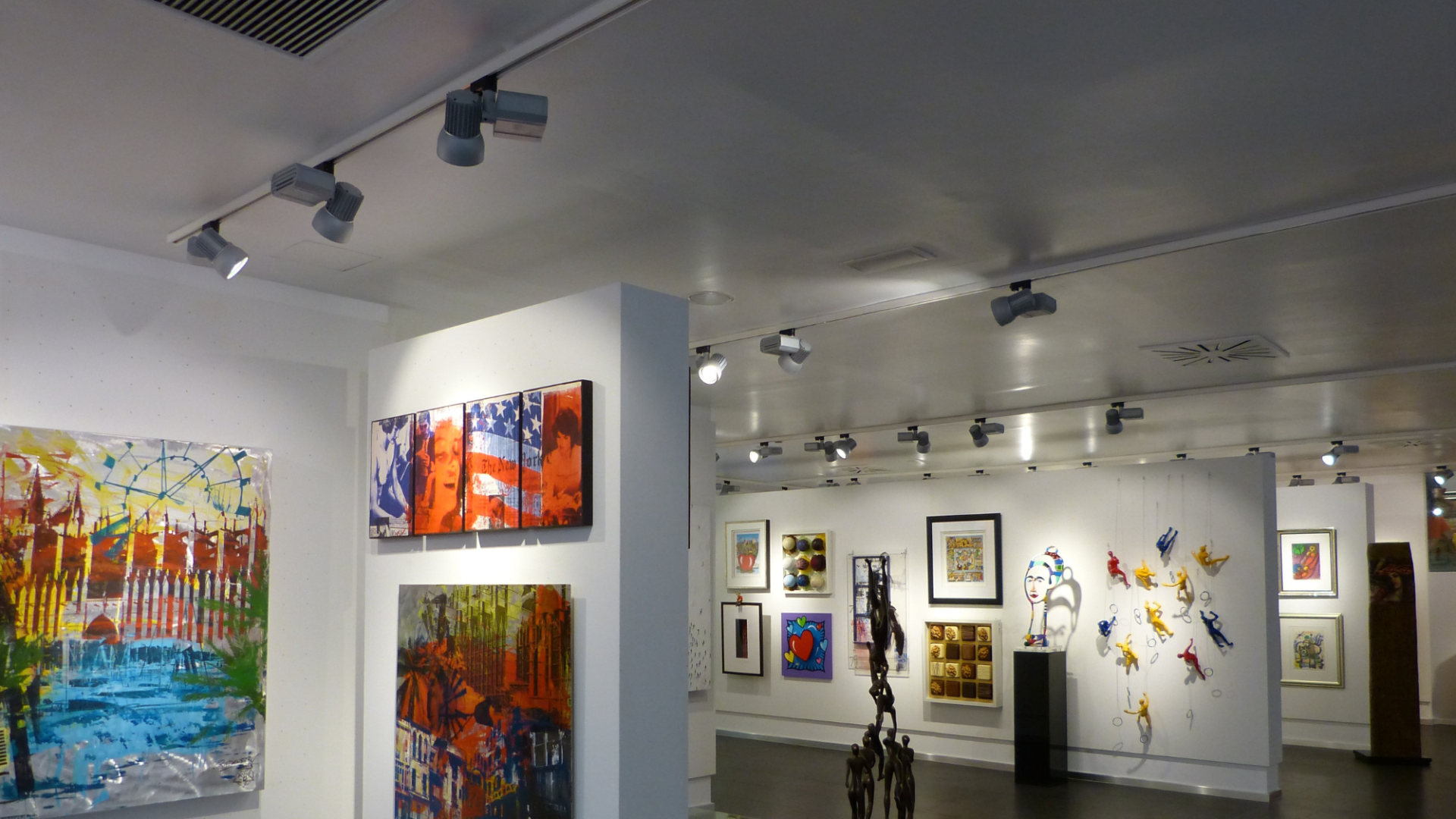
Artwork_spanning_decades_finds_a_unique_stage_through_https_luckycaponeaustralia
Artwork_spanning_decades_finds_a_unique_stage_through_https_luckycaponeaustralia
🔥 Play ▶️
Artwork spanning decades finds a unique stage through https://luckycaponeaustralia.com showcasing iconic designs
The vibrant world of art often seeks new avenues for expression and appreciation, moving beyond traditional galleries and museums. https://luckycaponeaustralia.com represents a fascinating intersection of iconic designs and a unique platform, offering a fresh perspective on how artwork spanning decades can be showcased and experienced. This online space isn’t merely a digital gallery; it’s a curated collection that breathes new life into established aesthetics, making them accessible to a wider audience and fostering a renewed appreciation for creativity. The site provides a distinctive stage for artwork that resonates with a sense of nostalgia and timeless appeal.
The platform’s significance lies in its ability to connect art enthusiasts with pieces that have shaped cultural landscapes. It’s a testament to the enduring power of design and the importance of preserving artistic heritage. By presenting these works in a dynamic and engaging online format, https://luckycaponeaustralia.com transcends geographical limitations and invites viewers to explore a world of visual storytelling. The focus is on delivering a high-quality, immersive experience, ensuring that each piece receives the attention it deserves and that the artist's vision is faithfully conveyed.
The Evolution of Aesthetic Preferences and Design
Throughout history, aesthetic preferences have been in constant flux, reflecting societal values, technological advancements, and cultural influences. What was once considered avant-garde can become classic, and what was once dismissed as unconventional can be celebrated as groundbreaking. This ever-shifting landscape demonstrates the subjective nature of beauty and the importance of continually challenging established norms. The art presented through platforms like this exemplifies the lasting appeal of designs that manage to capture the spirit of their time while remaining relevant to future generations. Understanding the historical context of a piece is crucial to appreciating its full significance, as it reveals the influences that shaped its creation and the cultural forces that contributed to its enduring popularity.
The Impact of Pop Culture on Design Trends
Pop culture has always exerted a powerful influence on design trends, serving as both a mirror of society and a catalyst for change. From the bold colors and geometric patterns of the Art Deco movement to the rebellious aesthetics of punk rock, pop culture has consistently inspired artists and designers to push boundaries and explore new forms of expression. Iconic figures, movies, music, and television shows often become sources of inspiration, leading to the creation of designs that capture the essence of a particular era. This dynamic interplay between art and popular culture highlights the interconnectedness of creative disciplines and their ability to shape our visual world. The designs showcased often reflect this symbiotic relationship, offering a glimpse into the cultural zeitgeist of their time.
Key Characteristics
The selection process for featured artwork is, undoubtedly, a complex undertaking. Curators often prioritize originality, historical significance, and aesthetic quality when assembling a collection. They seek pieces that not only represent the pinnacle of artistic achievement but also tell a compelling story about the evolution of design and the cultural forces that have shaped it. The goal is to provide viewers with a diverse and enriching experience that expands their understanding of art history and inspires them to appreciate the power of creative expression. Careful consideration is given to the overall narrative of the collection, ensuring that each piece complements and enhances the others, creating a cohesive and engaging visual experience.
The Role of Online Platforms in Democratizing Art Access
Historically, access to art has been limited by geographical constraints, economic barriers, and social hierarchies. Art galleries and museums, while invaluable institutions, often cater to a select audience. However, the rise of online platforms has begun to democratize access to art, making it more inclusive and accessible to individuals from all walks of life. Websites like https://luckycaponeaustralia.com break down these barriers, allowing anyone with an internet connection to explore a vast array of artwork from the comfort of their own home. This democratization of access has profound implications for the art world, fostering a more diverse and engaged audience and encouraging a broader appreciation for artistic expression. This shift also empowers artists to reach a wider audience, independent of traditional gatekeepers.
Expanding the Audience for Established and Emerging Artists
Online platforms not only provide access to established artists but also offer a vital springboard for emerging talent. For artists who may lack the resources or connections to secure representation in traditional galleries, online platforms offer a powerful means of showcasing their work and building a following. This exposure can lead to increased opportunities for commissions, exhibitions, and collaborations, helping to launch their careers. Furthermore, online platforms often foster a sense of community among artists and art enthusiasts, facilitating dialogue, feedback, and mutual support. By providing a level playing field for artists of all backgrounds and experience levels, online platforms are fostering a more vibrant and diverse art ecosystem.
The utilization of digital technology in preserving and restoring art is also substantial. High-resolution imagery allows for detailed examination of artworks, aiding in conservation efforts. Virtual museum tours and online exhibits bring art to individuals who are geographically distant or unable to physically visit museums. This preservation extends beyond the physical artwork; digital archives ensure that the history and context surrounding each piece are also safeguarded for future generations. The integration of technology is crucial for safeguarding our cultural heritage and making it accessible to all.
Analyzing Visual Communication: Decoding the Language of Art
Visual communication is a fundamental aspect of the human experience, and art serves as a powerful medium for conveying ideas, emotions, and narratives. Understanding the language of art requires a careful analysis of its elements – color, composition, texture, form, and symbolism – and how those elements work together to create meaning. Examining these visual cues can reveal hidden layers of interpretation and provide deeper insights into the artist's intent. Furthermore, cultural context plays a critical role in decoding the message embedded within a piece of art. What might be perceived as a benign image in one culture could carry profound symbolic significance in another. By considering these multifaceted layers of interpretation, viewers can enrich their appreciation for the art form.
The Psychology of Color and its Impact on Perception
Color psychology explores the emotional and psychological effects of different colors on human perception. Colors have the power to evoke a wide range of feelings, from joy and excitement to sadness and tranquility. Artists strategically employ color palettes to create specific moods and atmospheres within their work. For example, warm colors like red and orange are often associated with energy and passion, while cool colors like blue and green evoke feelings of calmness and serenity. Understanding the psychological impact of color can enhance our ability to interpret the artist's intended message and connect with the artwork on a deeper emotional level. Therefore, color isn’t merely aesthetic; it is a crucial component of visual storytelling.
Art and design are inextricably linked to broader socio-economic trends. Economic prosperity often fuels artistic innovation, as individuals have more disposable income to invest in creative pursuits. Conversely, periods of economic hardship can lead to a shift in artistic focus, with artists responding to social and political realities through their work. The market for art is also influenced by economic forces, with prices fluctuating based on demand and investor confidence. Understanding these economic dynamics is essential for comprehending the art world and its relationship to society. Moreover, the accessibility of art, and its perception, are often tied to economic status.
The Enduring Legacy of Iconic Designs
Certain designs transcend their original context and achieve a status of iconic recognition, becoming deeply embedded in our collective consciousness. These designs often embody the spirit of their time and continue to inspire artists and designers across generations. Their enduring appeal lies in their ability to evoke a sense of nostalgia, capture a specific aesthetic, or represent a significant cultural moment. Revisiting these iconic designs through platforms like https://luckycaponeaustralia.com allows us to appreciate their historical significance and their continuing relevance in the contemporary world. It's crucial to not only admire the aesthetic quality but also understand the story behind the design and the impact it has had on shaping our visual culture.
The digital archiving and presentation of these designs also plays a vital role in their preservation. By creating high-quality digital reproductions, we can ensure that these iconic pieces are accessible to future generations, even if the original artifacts are fragile or inaccessible. Furthermore, the ability to share these designs online fosters a greater awareness and appreciation for art history, inspiring new generations of artists and designers to build upon the legacy of their predecessors. The platform, in a way, acts as a digital custodian of cultural heritage, ensuring that these designs remain vibrant and relevant for years to come.
Beyond the Canvas: Art as a Reflection of Cultural Narratives
Art is rarely created in a vacuum; it is invariably shaped by the cultural narratives, social values, and historical events of its time. Examining artwork through a cultural lens can reveal hidden meanings, challenge preconceived notions, and provide a deeper understanding of the human experience. The pieces featured often serve as visual chronicles of their era, capturing the anxieties, aspirations, and triumphs of the people who created and consumed them. By studying these cultural artifacts, we gain valuable insights into the collective consciousness of past generations and how those traditions continue to influence the present. This intersection of art and cultural history is paramount in appreciating the complete significance of an artwork.
Consider, for instance, the impact of social movements on artistic expression. Throughout history, artists have used their work as a form of protest, social commentary, and political activism. Whether it's the anti-war sentiment expressed in Picasso’s ‘Guernica’ or the civil rights narratives depicted in the works of Jacob Lawrence, art has the power to challenge the status quo, raise awareness about important issues, and inspire social change. This inherent capacity of art to provoke dialogue and challenge power structures makes it an indispensable tool for fostering a more just and equitable world. Examining art through this framework illuminates its role not merely as aesthetic objects, but as powerful agents of social transformation.
Comments
More posts