Botanical prints for home décor with https://wildflowergallery.co.uk and inspiring wall art collections
The allure of bringing the outdoors in has never been stronger, and botanical prints offer a timeless way to achieve this. They breathe life and colour into any space, transforming a house into a home filled with natural beauty. Whether you're drawn to delicate wildflowers or bold, statement foliage, botanical art possesses a unique ability to evoke feelings of calm and serenity. Many people are now seeking ways to connect with nature, and incorporating floral and plant designs into home décor is a particularly popular trend. At https://wildflowergallery.co.uk, you’ll find a curated collection designed to inspire and elevate your living spaces.
The appeal of botanical prints stems from their versatility. They can complement a variety of interior styles, from rustic farmhouse to modern minimalist. Unlike fleeting trends, botanical art has a classic quality that ensures longevity. Choosing pieces that resonate with your personal aesthetic allows you to create a truly unique and harmonious environment. Furthermore, the process of selecting artwork is now easier than ever, with online galleries offering a diverse range of options delivered directly to your door. Botanical prints offer a sustainable way to enhance your home, requiring minimal maintenance while providing maximum impact on the overall atmosphere of a room.
The History and Evolution of Botanical Illustration
The origins of botanical illustration are deeply rooted in scientific documentation. For centuries, artists and botanists collaborated to meticulously record plant life for medicinal and scholarly purposes. These early illustrations weren’t just about aesthetics; they were crucial for identifying plants, understanding their properties, and creating herbal remedies. From the detailed works of Maria Sibylla Merian in the 17th century to the precise engravings of Pierre-Joseph Redouté in the 18th and 19th centuries, botanical art flourished as a distinct genre. The techniques used varied greatly – watercolour, engraving, lithography – but the common thread was a commitment to accuracy and detail. These historical illustrations often depicted exotic flora discovered during explorations, adding a sense of wonder and adventure to the art form.
From Scientific Record to Decorative Art
Over time, botanical illustration began to transcend its purely scientific function and became increasingly appreciated for its artistic merit. The Victorian era saw a surge in popularity of floral motifs in home décor, and botanical prints became a common feature in middle-class homes. This shift reflected a growing interest in nature and a desire to bring the beauty of the outdoors into interior spaces. The art deco movement further embraced botanical elements, simplifying forms and incorporating stylized floral patterns. Today, we see a continued evolution, with contemporary artists experimenting with new techniques and interpretations of classic botanical themes. The emphasis has shifted from strict realism to artistic expression, allowing for a more imaginative and personal approach to the subject matter.
Artist
Era
Notable Style
Maria Sibylla Merian
17th Century
Detailed watercolour depictions of insects and plants
Pierre-Joseph Redouté
18th-19th Century
Precise botanical engravings known for their elegance
Aubrey Beardsley
Late 19th Century
Art Nouveau influenced, stylized floral motifs
Georgia O'Keeffe
20th Century
Large-scale flower paintings, often abstracted
The enduring legacy of these masters continues to influence contemporary botanical artists. The meticulous detail, vibrant colours, and artistic flair of these historical works serve as a constant source of inspiration. Modern artists are building upon this rich heritage, creating pieces that are both scientifically informed and aesthetically pleasing.
Choosing Botanical Prints for Your Home
Selecting the right botanical prints involves considering several factors, including your existing décor, colour palette, and personal preferences. A neutral colour scheme can be beautifully complemented by vibrant floral prints, adding a pop of colour and visual interest. Conversely, if your space is already filled with bold colours and patterns, a more subdued botanical print may be a better choice. Think about the overall mood you want to create. Delicate watercolour florals can evoke a sense of tranquility, while dramatic leaf patterns can add a touch of sophistication. The size of the print is also crucial; a large statement piece can anchor a room, while smaller prints work well in clusters or hallways. Don't be afraid to experiment with different arrangements to find what best suits your space.
Tips for Arranging and Displaying Prints
When it comes to displaying botanical prints, consider the light and shadow in the room. Avoid placing prints in direct sunlight, as this can cause fading over time. Using archival-quality paper and frames will also help to preserve the artwork. Creating a gallery wall with a mix of botanical prints can be a visually stunning effect. Varying the sizes, shapes, and colours of the prints will add depth and interest. Another option is to frame individual prints and hang them in a more formal arrangement. Remember to maintain consistent spacing between frames for a cohesive look. Think beyond traditional wall placement; botanical prints can also be displayed on shelves, mantels, or even incorporated into larger art installations.
Consider the overall style of your home before making a selection.
Pay attention to the colour palette and choose prints that complement your existing décor.
Think about the size and scale of the prints in relation to the space.
Invest in archival-quality materials to protect your artwork.
Experiment with different arrangements to find what looks best.
The key is to create a cohesive and harmonious look that reflects your personal style and enhances the beauty of your home. A well-chosen botanical print can truly transform a space, creating a welcoming and inspiring environment.
The Psychology of Botanical Design
There’s a growing body of research exploring the psychological benefits of incorporating nature into our surroundings. Biophilic design, the concept of connecting with the natural world, has been shown to reduce stress, improve cognitive function, and enhance overall well-being. Botanical prints can contribute to this sense of connection, even in urban environments. The visual cues of plants and flowers trigger positive associations, evoking feelings of calm, relaxation, and happiness. Studies have also shown that exposure to natural imagery can lower blood pressure and heart rate. This is likely due to our evolutionary history, where humans thrived in close proximity to nature. The calming influence of botanical elements makes them ideal for bedrooms, living rooms, and even home offices.
Botanical Art and Mood Enhancement
The colours and patterns found in botanical prints can also have a significant impact on our mood. Green hues are known for their calming and restorative properties, while blue tones can promote relaxation and creativity. Bright, vibrant colours can energize and uplift, while softer pastels can create a sense of serenity. The subject matter itself can also be important. Flowers often symbolize beauty, love, and renewal, while leaves and branches represent growth and resilience. Choosing prints with imagery that resonates with your personal values and aspirations can further enhance their positive effects. The ability to bring these natural elements into your home, regardless of your location, is a powerful tool for enhancing your emotional and mental well-being.
Identify your personal preferences in terms of colours and floral types.
Consider the function of the room and choose prints that support the desired mood.
Utilize colour psychology to select prints that evoke specific emotions.
Pay attention to the symbolism of different flowers and plants.
Create a mindful space where you can appreciate the beauty and serenity of botanical art.
Incorporating botanical prints isn’t just about aesthetics; it's about nurturing your connection with the natural world and creating a more harmonious living environment. The impact can be profound, transforming a space into a sanctuary of peace and tranquility.
Sourcing and Caring for Botanical Prints
Finding the perfect botanical prints requires research and consideration. There are numerous options available, ranging from mass-produced prints to original artworks. Online galleries like https://wildflowergallery.co.uk offer a curated selection of high-quality prints, often featuring the work of independent artists. When purchasing prints, it’s important to pay attention to the materials used. Archival-quality paper and inks will ensure that the colours remain vibrant for years to come. The type of frame can also impact the longevity of the artwork. Choosing a frame with UV protection will help to shield the print from harmful sunlight. Consider the ethical sourcing of materials, opting for prints that are produced using sustainable practices. Supporting artists who prioritize environmental responsibility is a great way to make a positive impact.
Proper care is essential for preserving the beauty of your botanical prints. Regularly dust the frames with a soft cloth to remove any dirt or debris. Avoid using harsh chemicals or abrasive cleaners, as these can damage the paper or inks. Store prints in a cool, dry place away from direct sunlight and humidity. If you're moving or transporting prints, wrap them carefully to prevent damage. Investing in professional framing can provide additional protection and enhance the overall presentation of the artwork. A little care and attention will ensure that your botanical prints remain a cherished part of your home for generations.
Botanical_prints_for_home_décor_with_https_wildflowergallery_co_uk_and_inspirin
Botanical_prints_for_home_décor_with_https_wildflowergallery_co_uk_and_inspirin
🔥 Play ▶️
Botanical prints for home décor with https://wildflowergallery.co.uk and inspiring wall art collections
The allure of bringing the outdoors in has never been stronger, and botanical prints offer a timeless way to achieve this. They breathe life and colour into any space, transforming a house into a home filled with natural beauty. Whether you're drawn to delicate wildflowers or bold, statement foliage, botanical art possesses a unique ability to evoke feelings of calm and serenity. Many people are now seeking ways to connect with nature, and incorporating floral and plant designs into home décor is a particularly popular trend. At https://wildflowergallery.co.uk, you’ll find a curated collection designed to inspire and elevate your living spaces.
The appeal of botanical prints stems from their versatility. They can complement a variety of interior styles, from rustic farmhouse to modern minimalist. Unlike fleeting trends, botanical art has a classic quality that ensures longevity. Choosing pieces that resonate with your personal aesthetic allows you to create a truly unique and harmonious environment. Furthermore, the process of selecting artwork is now easier than ever, with online galleries offering a diverse range of options delivered directly to your door. Botanical prints offer a sustainable way to enhance your home, requiring minimal maintenance while providing maximum impact on the overall atmosphere of a room.
The History and Evolution of Botanical Illustration
The origins of botanical illustration are deeply rooted in scientific documentation. For centuries, artists and botanists collaborated to meticulously record plant life for medicinal and scholarly purposes. These early illustrations weren’t just about aesthetics; they were crucial for identifying plants, understanding their properties, and creating herbal remedies. From the detailed works of Maria Sibylla Merian in the 17th century to the precise engravings of Pierre-Joseph Redouté in the 18th and 19th centuries, botanical art flourished as a distinct genre. The techniques used varied greatly – watercolour, engraving, lithography – but the common thread was a commitment to accuracy and detail. These historical illustrations often depicted exotic flora discovered during explorations, adding a sense of wonder and adventure to the art form.
From Scientific Record to Decorative Art
Over time, botanical illustration began to transcend its purely scientific function and became increasingly appreciated for its artistic merit. The Victorian era saw a surge in popularity of floral motifs in home décor, and botanical prints became a common feature in middle-class homes. This shift reflected a growing interest in nature and a desire to bring the beauty of the outdoors into interior spaces. The art deco movement further embraced botanical elements, simplifying forms and incorporating stylized floral patterns. Today, we see a continued evolution, with contemporary artists experimenting with new techniques and interpretations of classic botanical themes. The emphasis has shifted from strict realism to artistic expression, allowing for a more imaginative and personal approach to the subject matter.
Era
Notable Style
The enduring legacy of these masters continues to influence contemporary botanical artists. The meticulous detail, vibrant colours, and artistic flair of these historical works serve as a constant source of inspiration. Modern artists are building upon this rich heritage, creating pieces that are both scientifically informed and aesthetically pleasing.
Choosing Botanical Prints for Your Home
Selecting the right botanical prints involves considering several factors, including your existing décor, colour palette, and personal preferences. A neutral colour scheme can be beautifully complemented by vibrant floral prints, adding a pop of colour and visual interest. Conversely, if your space is already filled with bold colours and patterns, a more subdued botanical print may be a better choice. Think about the overall mood you want to create. Delicate watercolour florals can evoke a sense of tranquility, while dramatic leaf patterns can add a touch of sophistication. The size of the print is also crucial; a large statement piece can anchor a room, while smaller prints work well in clusters or hallways. Don't be afraid to experiment with different arrangements to find what best suits your space.
Tips for Arranging and Displaying Prints
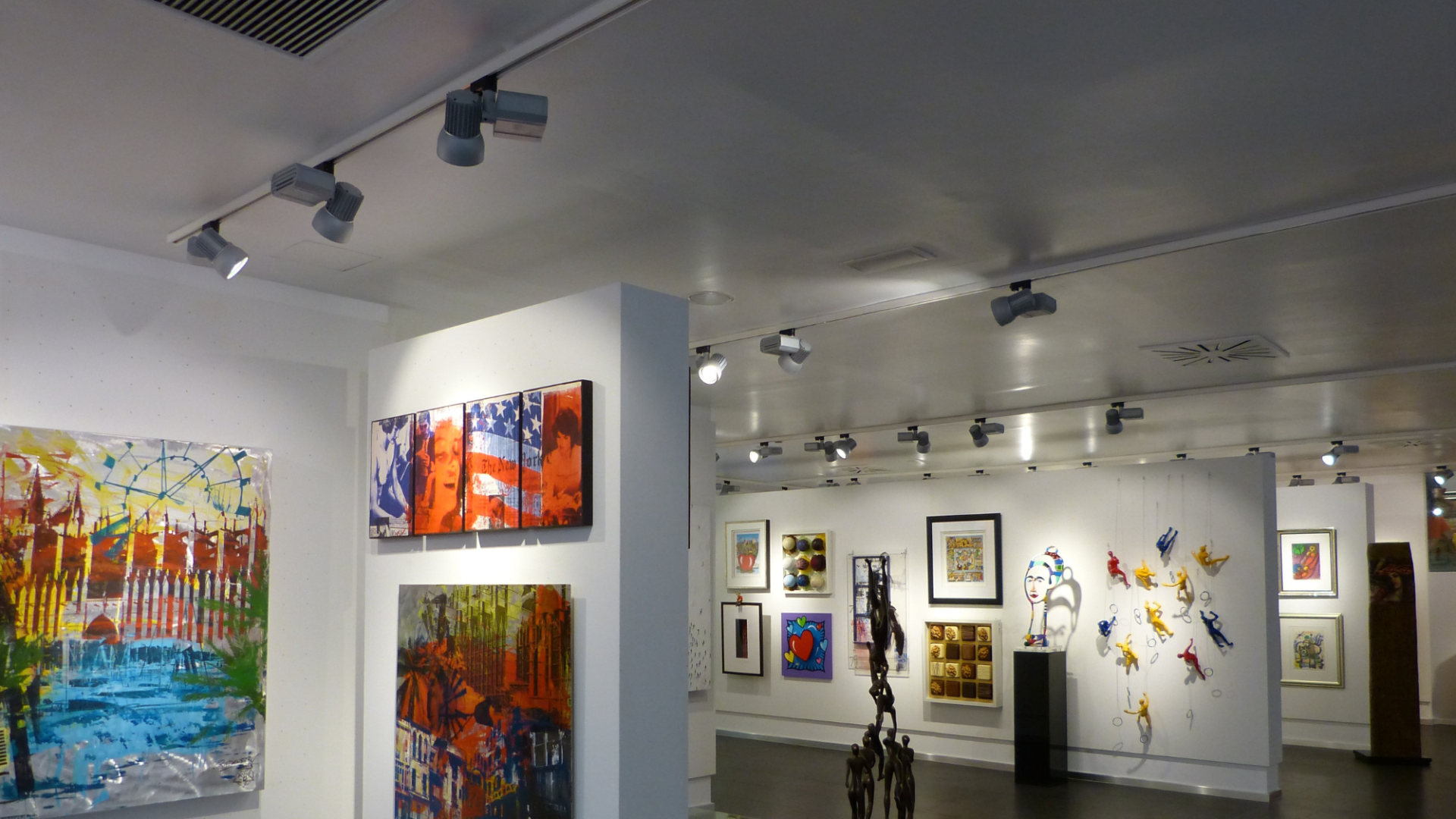
When it comes to displaying botanical prints, consider the light and shadow in the room. Avoid placing prints in direct sunlight, as this can cause fading over time. Using archival-quality paper and frames will also help to preserve the artwork. Creating a gallery wall with a mix of botanical prints can be a visually stunning effect. Varying the sizes, shapes, and colours of the prints will add depth and interest. Another option is to frame individual prints and hang them in a more formal arrangement. Remember to maintain consistent spacing between frames for a cohesive look. Think beyond traditional wall placement; botanical prints can also be displayed on shelves, mantels, or even incorporated into larger art installations.
The key is to create a cohesive and harmonious look that reflects your personal style and enhances the beauty of your home. A well-chosen botanical print can truly transform a space, creating a welcoming and inspiring environment.
The Psychology of Botanical Design
There’s a growing body of research exploring the psychological benefits of incorporating nature into our surroundings. Biophilic design, the concept of connecting with the natural world, has been shown to reduce stress, improve cognitive function, and enhance overall well-being. Botanical prints can contribute to this sense of connection, even in urban environments. The visual cues of plants and flowers trigger positive associations, evoking feelings of calm, relaxation, and happiness. Studies have also shown that exposure to natural imagery can lower blood pressure and heart rate. This is likely due to our evolutionary history, where humans thrived in close proximity to nature. The calming influence of botanical elements makes them ideal for bedrooms, living rooms, and even home offices.
Botanical Art and Mood Enhancement
The colours and patterns found in botanical prints can also have a significant impact on our mood. Green hues are known for their calming and restorative properties, while blue tones can promote relaxation and creativity. Bright, vibrant colours can energize and uplift, while softer pastels can create a sense of serenity. The subject matter itself can also be important. Flowers often symbolize beauty, love, and renewal, while leaves and branches represent growth and resilience. Choosing prints with imagery that resonates with your personal values and aspirations can further enhance their positive effects. The ability to bring these natural elements into your home, regardless of your location, is a powerful tool for enhancing your emotional and mental well-being.
Incorporating botanical prints isn’t just about aesthetics; it's about nurturing your connection with the natural world and creating a more harmonious living environment. The impact can be profound, transforming a space into a sanctuary of peace and tranquility.
Sourcing and Caring for Botanical Prints
Finding the perfect botanical prints requires research and consideration. There are numerous options available, ranging from mass-produced prints to original artworks. Online galleries like https://wildflowergallery.co.uk offer a curated selection of high-quality prints, often featuring the work of independent artists. When purchasing prints, it’s important to pay attention to the materials used. Archival-quality paper and inks will ensure that the colours remain vibrant for years to come. The type of frame can also impact the longevity of the artwork. Choosing a frame with UV protection will help to shield the print from harmful sunlight. Consider the ethical sourcing of materials, opting for prints that are produced using sustainable practices. Supporting artists who prioritize environmental responsibility is a great way to make a positive impact.
Proper care is essential for preserving the beauty of your botanical prints. Regularly dust the frames with a soft cloth to remove any dirt or debris. Avoid using harsh chemicals or abrasive cleaners, as these can damage the paper or inks. Store prints in a cool, dry place away from direct sunlight and humidity. If you're moving or transporting prints, wrap them carefully to prevent damage. Investing in professional framing can provide additional protection and enhance the overall presentation of the artwork. A little care and attention will ensure that your botanical prints remain a cherished part of your home for generations.
Comments
More posts